
Concrete Innovation Act
Why Is Low-Emitting Carbon Concrete Important for Pennsylvania?


Individuals and corporate citizens of the Commonwealth continue to look for environmentally friendly solutions to many challenges, recognizing clean air and water are not only beneficial to the health and enjoyment of the communities where they live and work, but also important to continue attracting new residents and businesses to the state. Projects being pursued by companies such as Amazon, Microsoft, Prologis and Meta reflect their boards’ willingness to work toward accelerating the adoption of low-carbon cement and concrete for 21st century buildings and infrastructure. House Bill 1711, the Concrete Innovation Act, will help provide a more competitive business environment for concrete and cement producers in the Commonwealth.
Living our daily lives has an impact upon the communities where we live and work. While most people understand we need concrete, few people realize the magnitude of concrete we use, the energy it takes to make concrete, or the impact it has on the world around us.
The concrete industry is already exploring innovative ways to lessen the impact of traditional concrete upon the environment while employing emerging, innovative technologies and methods that can help Pennsylvania solve other environmental challenges. However, without supportive legislation, PA stands to lag behind a rapidly evolving industry.
What Is Low-Emitting Carbon Concrete?
Cement, the main ingredient in concrete, can be made with a variety of different materials. Substituting carbon intensive materials with other materials such as waste products can be a win-win, by reducing the amount of carbon in concrete. Biomass, for instance, is a major challenge for Pennsylvania’s industry and Chesapeake Bay water quality standards. By substituting biomass and biosolids for some of the ingredients in concrete, not only can you create strong, low-emitting carbon concrete, you can also help the agribusiness community and local sewage treatment facilities find a market for the biomass and biosolids that previously flowed downstream to the Chesapeake.
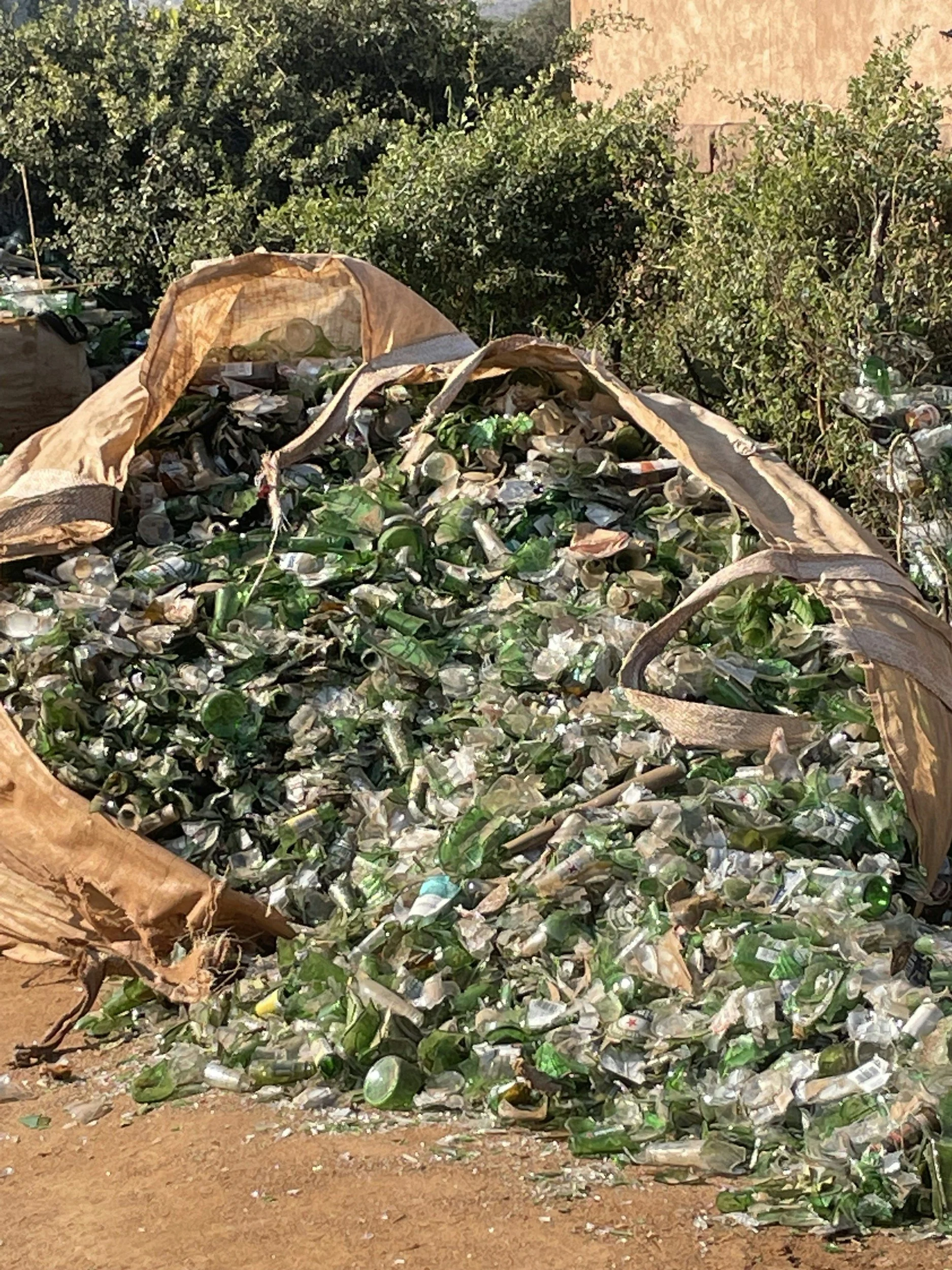
Likewise, recycling glass presents a constant challenge in both collecting it, and in finding reliable markets for the volume collected. However, by using ground glass pozzolan to enhance the strength and durability of concrete, Commonwealth businesses seeking to reduce their carbon footprints can use this emerging, innovative technology to create low-emitting carbon concrete. With concrete production currently releasing approximately 8% of all CO2 into the atmosphere, more than the entire aviation industry, low-emitting carbon concrete is a market-based solution to an environmental challenge.
How Can Pennsylvania Compete in the Transition to Lower Carbon Concrete?
→ Almost half of all concrete in the U.S. is procured for public projects. This means that Pennsylvania’s legislature can play a major role in building demand and market acceptance for low-carbon concrete materials and innovative production methods.
→ A growing number of states across the country have passed their own versions of new low- carbon procurement laws. As home to 6 major cement manufacturers and several other concrete producers, Pennsylvania will need to do the same to keep its industries competitive in the national market.
What will PA’s Concrete Innovation Act Look Like?
Every version of a successful low-emitting carbon concrete procurement law requires some means of reporting in the form of Environmental Product Declarations, or EPDs, which disclose a product’s environmental impact, including any greenhouse gas emissions that result from the manufacturing process. EPD usage can help collect emissions data about local concrete manufacturing and will ultimately ensure Pennsylvania’s cement and concrete products can still be considered for purchase in states that have already begun to require EPD-verified construction materials.
→ Incentives for businesses can help drive innovation and reward emissions reductions. For example, incentives might come in the form of bonus payments for concrete manufacturers delivering EPD-verified products with greenhouse gas emissions that fall below a state-set threshold. Incentives might also be provided as investment tax credits, helping small businesses defray the set-up costs for new technology or equipment, allowing for easier compliance.
The Good News
There is already funding momentum for such a policy. For example, the recently implemented and federally funded RISE program provided Pennsylvania a $396 million grant pool for small, medium, and large-scale decarbonization projects at industrial facilities seeking to reduce greenhouse gas emissions. Similarly, the Low-Carbon Transportation Materials Program is helping state Departments of Transportation around the country with funding to reduce carbon usage and improve concrete quality.
To make the best use of these funding sources, Pennsylvania’s legislature should act now to encourage low-emitting carbon concrete production and incentivize our industry to stay on the cutting edge of innovative technology.
For additional information, contact: Morgan Plant – morganplant@mac.com, (717) 386-1012 or Joshua Ash, Esquire – Joshua.Ash@pitt.edu, (814) 279-9409