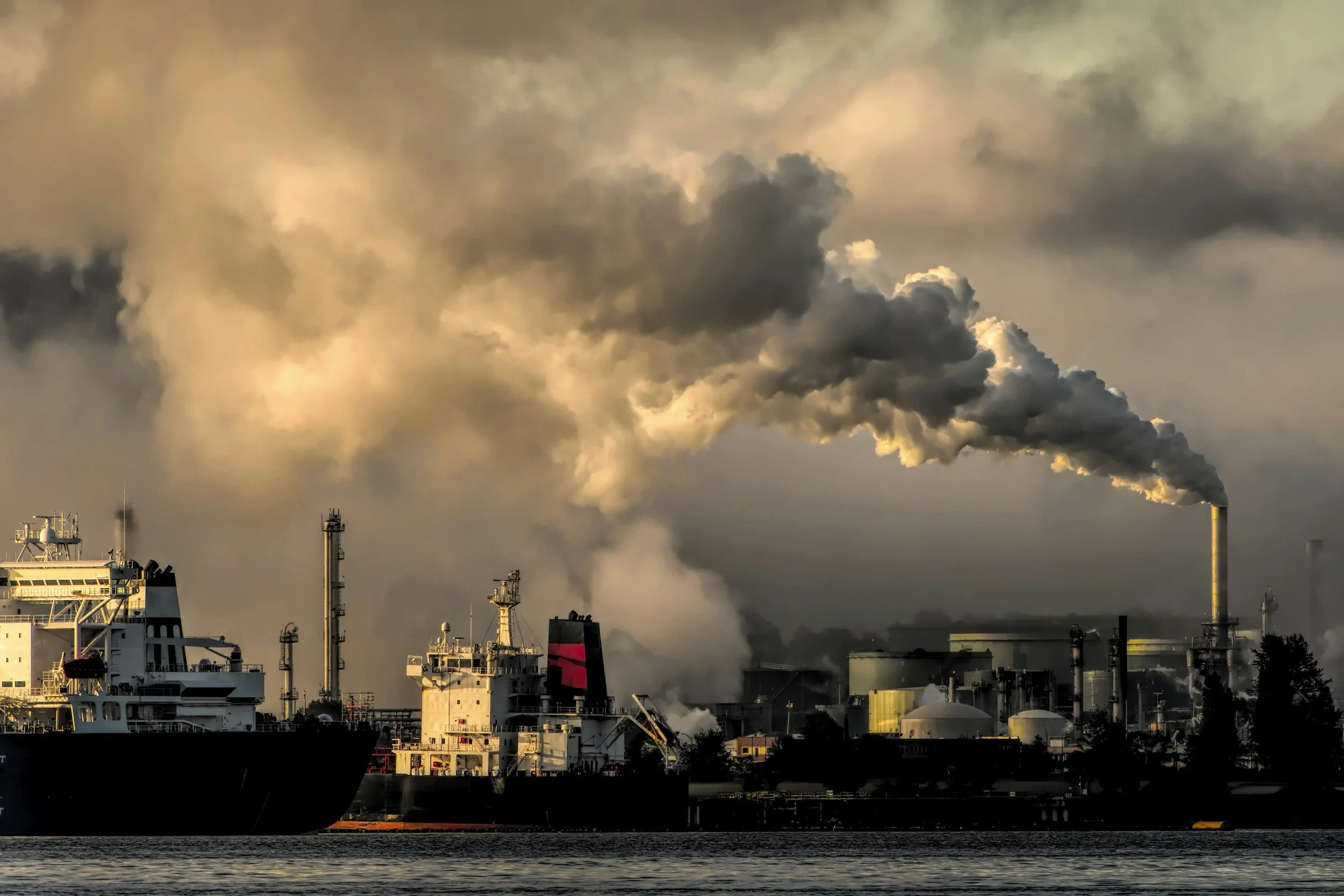

Fossil Fuel Transition
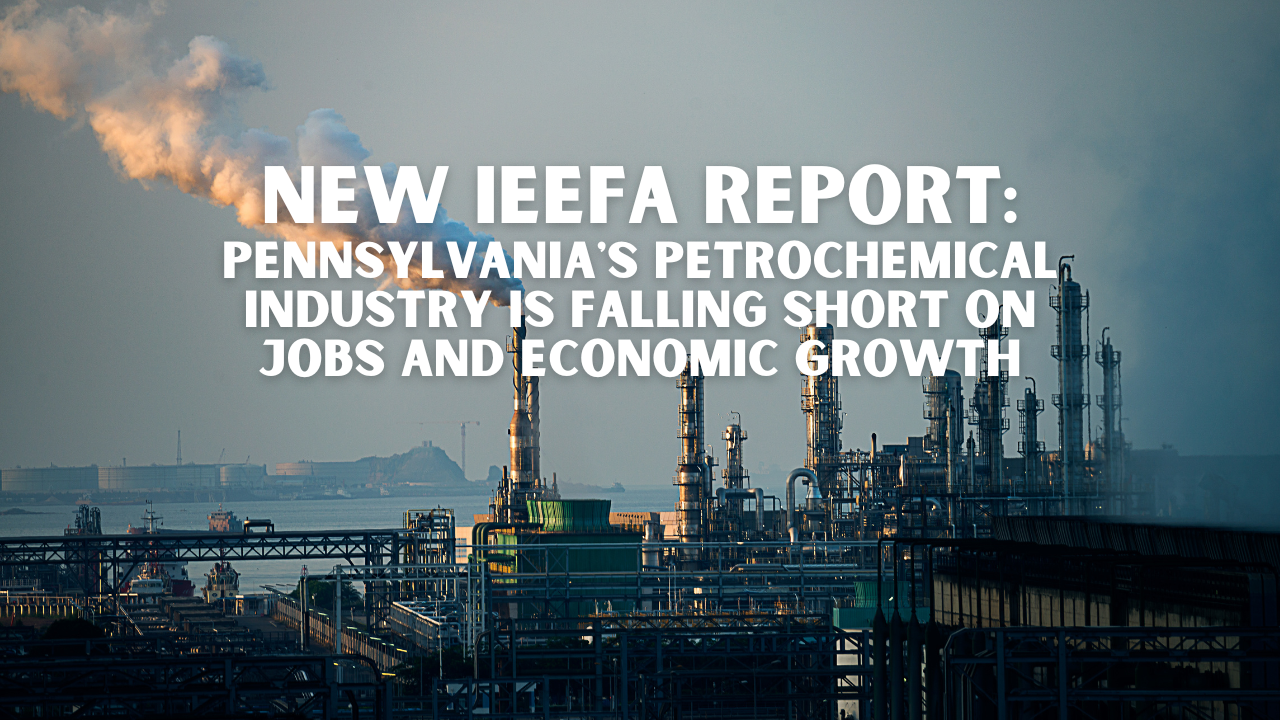
The extraction and processing of fossil fuels contribute to extreme weather events, threaten our health, and pollute our natural resources, but there is a better, more sustainable way to power our communities → clean energy.
What are fossil fuels?
Fossil fuels are non-renewable energy sources that are extracted from deep underground through mining, drilling, and fracking, and burned to generate electricity, power vehicles, produce heat, and make petrochemicals — the building blocks of plastics, pesticides, fertilizers, and other everyday products.
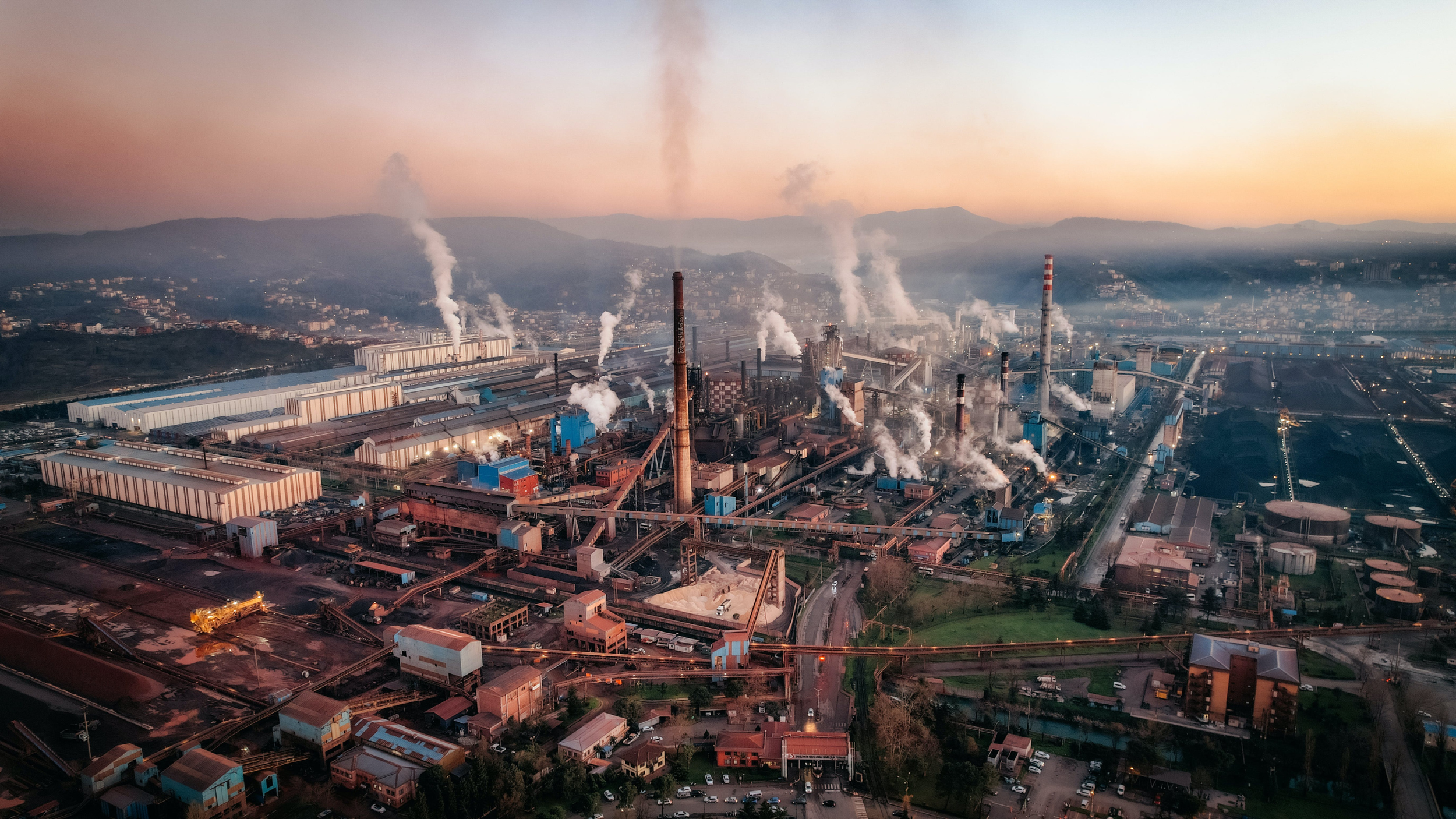

Life-Threatening Impacts of Processing Fossil Fuels
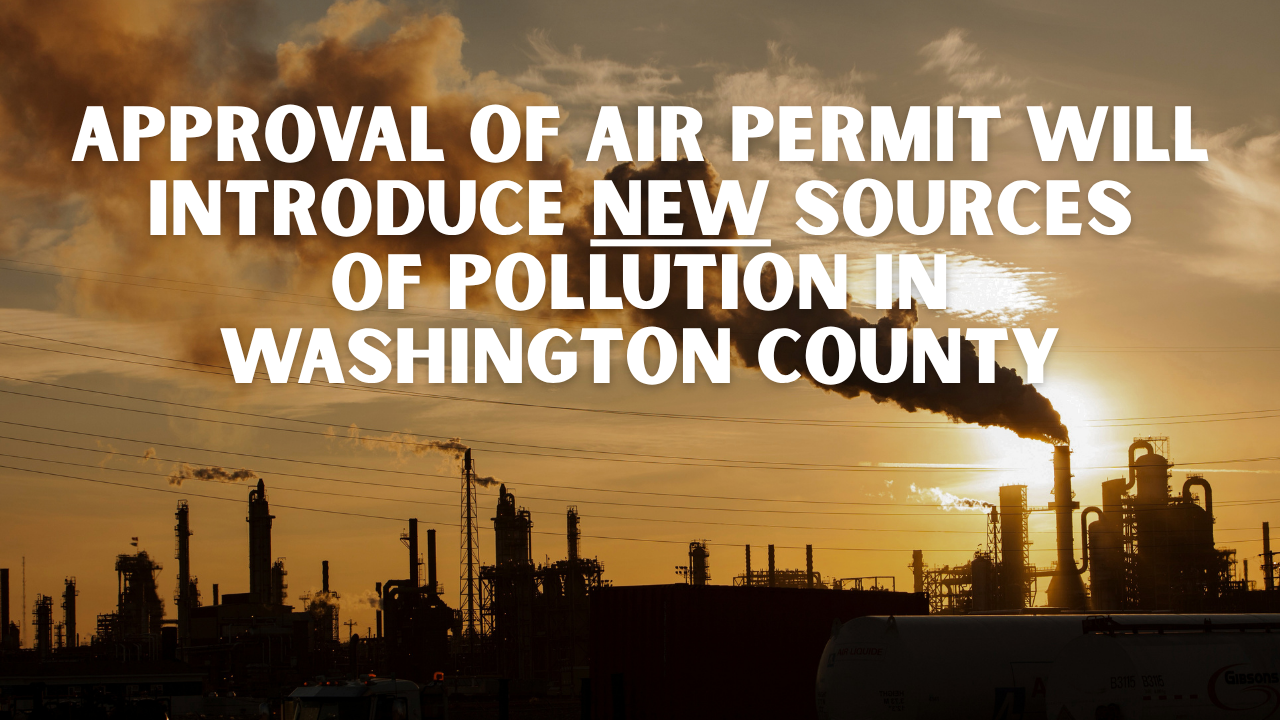
Burning fossil fuels releases toxic chemicals that pollute our air, water, and land, disrupts ecosystems, and seriously threatens human health.
Air pollution from burning oil and gas has been linked to infertility and adverse birth outcomes, neurological and developmental effects in children, asthma and other respiratory conditions, cardiovascular diseases, pre-mature death, cancers, and more.
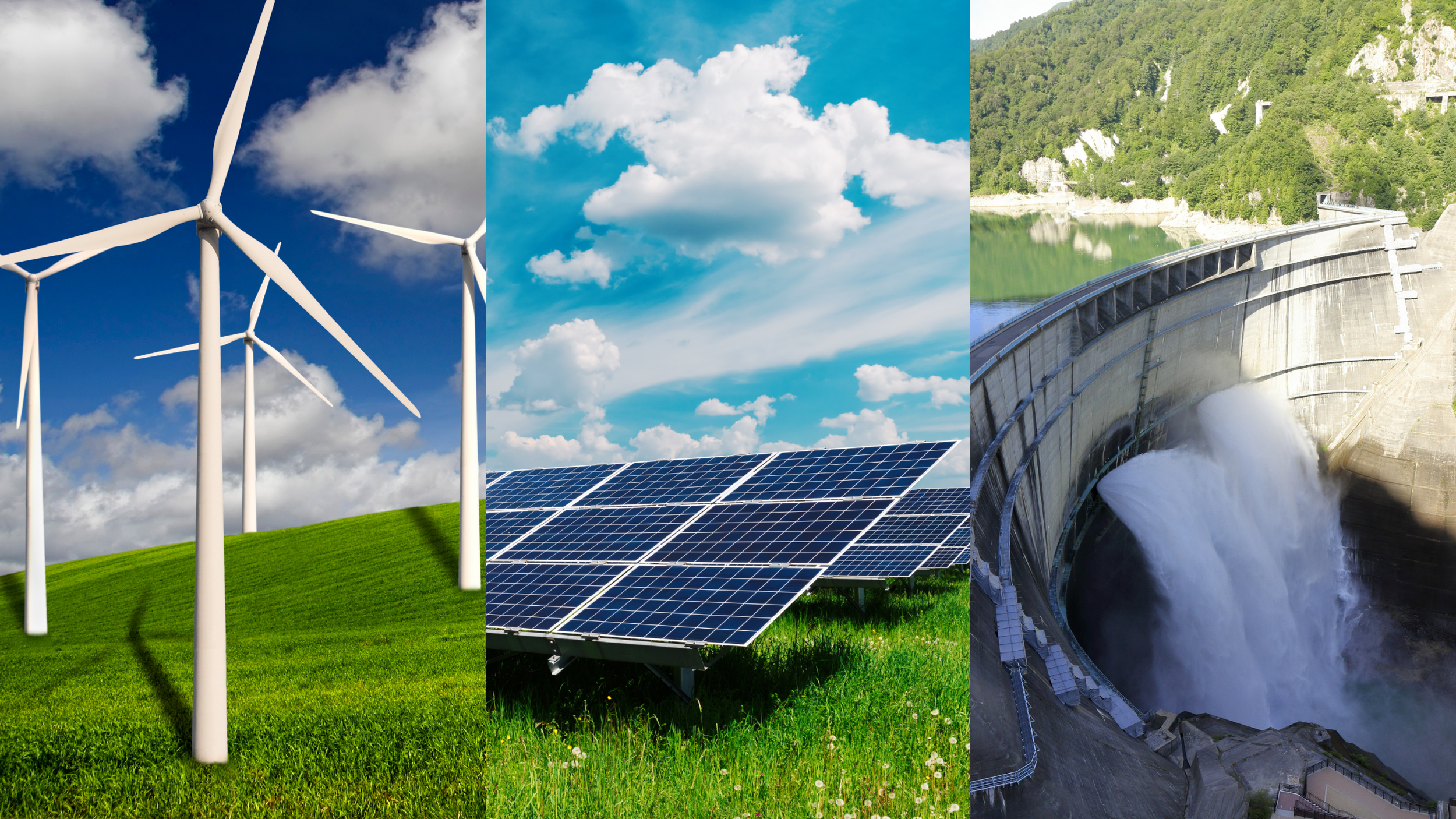
Transitioning Away From Dirty Energy
Every step away from fossil fuels is a step closer to a healthier future for humans and the environment.
Clean, renewable energy sources generate electricity at lower costs and with far fewer air pollutants than fossil fuels. They also help slow climate change and improve air and water quality.
Stopping Fossil Fuel Expansion
We work to protect your civil rights and ensure a safe environment for all by:
→ holding fossil fuel operators accountable
→ preventing the creation of new fossil fuel facilities
→ working with lawmakers to advocate for stronger environmental protections
CURRENT ACTIONS
-

Tell Your State Representatives to Support Community Solar
Related Articles