“Chemical Recycling:” What It Is and Why It Won’t Solve the Plastic Pollution Crisis
Spoiler alert: Chemical recycling is not the answer to our plastic pollution problem.
“Chemical” or “advanced” recycling refers to a group of technologies designed to break plastics down into their chemical building blocks. The petrochemical and plastics industries promote these processes as solutions to plastic waste. However, evidence shows that chemical recycling:
→ doesn’t meaningfully reduce plastic pollution,
→ isn’t a financially viable business, AND
→ is incredibly harmful to our air, water, land, and public health.
Less than 10% of plastic has ever been recycled.
So why are millions of taxpayer dollars invested into these polluting and financially unsuccessful industries?
What Is Chemical Recycling?
The most common method of chemical recycling is pyrolysis, a process that heats plastic at extremely high temperatures, turning it into oil, gas, or other chemical byproducts. These outputs are often used as fuels or feedstocks to make new plastic or other petrochemical products.
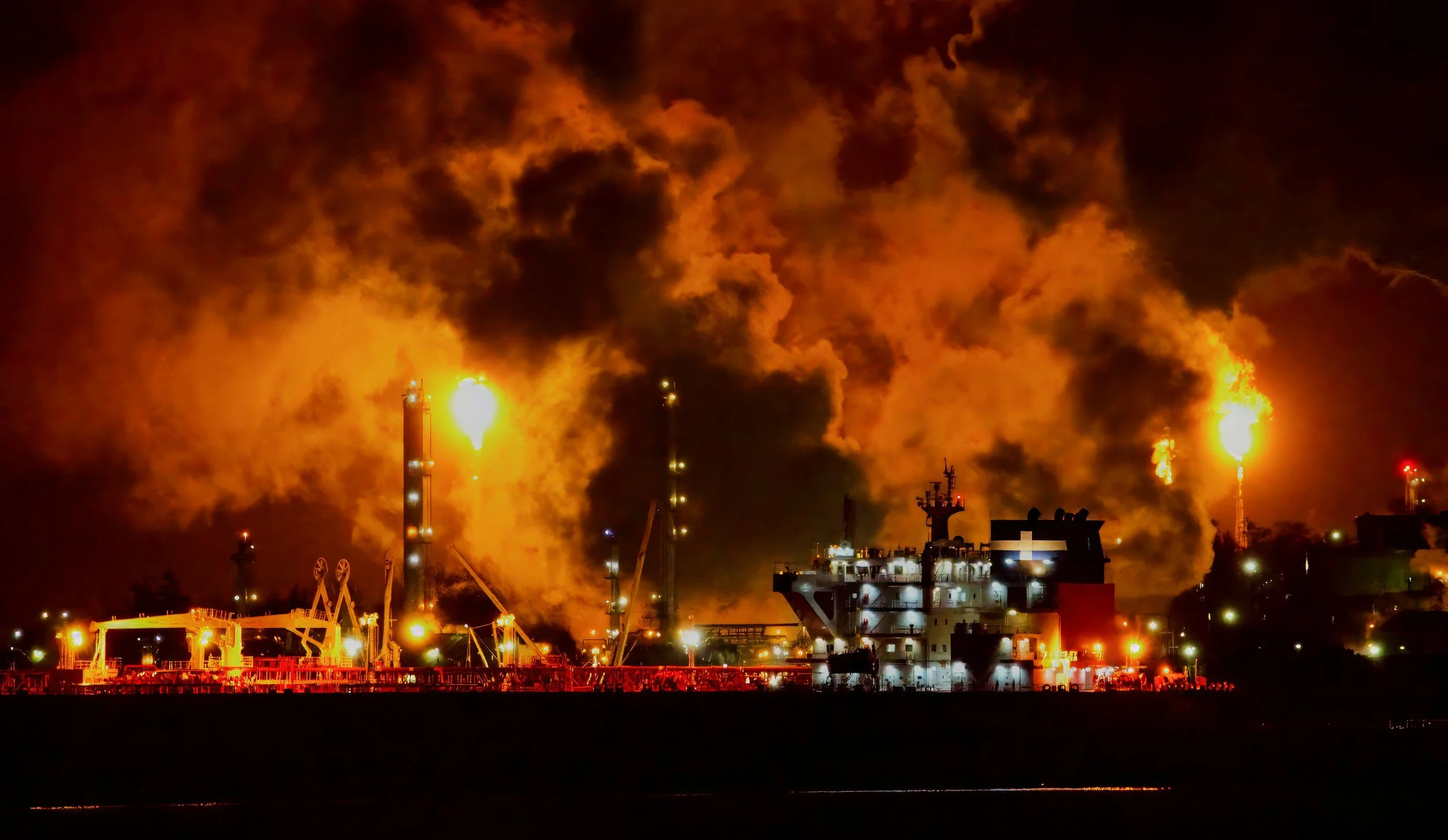
Pyrolysis is an energy-intensive process that releases toxic chemicals into the air and is more polluting than creating brand new virgin plastics from petroleum and natural gas.
The petrochemical and plastic industries often push chemical processing of plastic waste as a main solution to the worldwide plastic crisis, but it doesn’t fix our problem — it fuels it.
And, it’s not recycling.
What Chemical Recycling Isn’t
The Department of Energy’s National Renewable Energy Lab did a study in 2023 that found “when pyrolysis is used to process plastic waste, only 0.1 to 6 percent of this plastic waste can become new plastic.” Most of the plastic burned is used for feedstock — petrochemical fuels.
That’s not recycling at the scale implied by industry messaging.
Less than 10% of all plastic has ever been recycled. In the United States, most plastic waste ends up in landfills, waterways, or gets burned.
Plastic production and mismanaged plastic waste pollute our air, water, and land, drive climate events, and damage ecosystems.
Scientists have even found microplastics in human bodies, increasing the risk of respiratory, reproductive, and gastrointestinal diseases, and cancers.
Communities are paying a steep financial, environmental, and health cost for an industry that is severely underdelivering on their promises while expanding.
Not a Viable Industry
Despite claims that “chemical recycling” methods are mature, well-established, and financially stable, the reality is… they aren’t. It is a costly, energy-intensive process that generates pollution and fails to deliver true recycling outcomes.
Many projects and facilities use underdeveloped or experimental technology, and yet significant amounts of public funding are being invested into these facilities, even though they have failed to prove their viability at the promised scale.
A 2023 report from Beyond Plastics and the International Pollutants Elimination Network (IPEN) took a look at 11 chemical recycling facilities in the United States and found minimal production of recycled plastic, along with incidents like fires and spills. A key finding from the report stated:
“Chemical recycling is a false solution to plastic pollution. Chemical recycling has failed for decades, continues to fail, and there is no evidence that it will contribute to resolving the plastics pollution crisis.”
Currently, there is a push to deregulate chemical recycling plants from “waste facilities” to "manufacturing facilities,” making it easier for plastic and petrochemical companies to operate with fewer safeguards.
Loosening protections for facilities that handle hazardous materials increases risks for nearby communities and the environment.
Another key finding in Beyond Plastics and IPEN’s 2023 report noted:
“Chemical recycling facilities emit cancer-causing chemicals and substances that have been banned globally because they are among the most toxic chemicals known. … Environmental justice communities that already face unequal health risks from toxic pollution will face the highest health risks from expansion of chemical recycling.”
Chemical Recycling Isn’t Recycling
“Chemical recycling” is a greenwashing term created by the oil, gas, and petrochemical industries to mask what’s actually happening to our plastic waste.
By promoting chemical recycling as a “fix,” these polluting industries continue expanding plastic production while claiming to address the waste problem — while they receive government subsidies.
This dynamic risks locking communities into a cycle of pollution and continued dependence on fossil fuels, at the expense of their health and tax dollars.
Real solutions to plastic pollution focus on reducing plastic production, improving reuse systems, and protecting public health — not expanding technologies that generate additional pollution.
🎙️Listen to “Myths and Unfulfilled Promises of Dirty Industry” with Joanne Kilgour of the Ohio River Valley Institute to learn more about the effects of burning plastic on human health.
Now playing on YouTube or wherever you listen to podcasts.
