The Sad Truth About Plastic Production and Recycling
We have a plastic pollution problem and unfortunately, today’s “recycling” won’t save us.
For over 40 years, plastics companies have shifted the responsibility of saving the planet onto everyday people. By promoting recycling as the solution, they framed plastic pollution as a consumer problem rather than an industry problem.
The hard truth: less than 10% of all plastic has ever been recycled.
Fossil fuel and petrochemical facilities — industries responsible for producing plastic — continue to expand production, promising jobs and tax revenues for communities, while downplaying the serious health and environmental costs.
Another hard truth: Plastic is extremely toxic to people’s health and our environment.
If petrochemical companies are producing more plastic in an effort to drive more fossil fuel extraction, and consumers are unable to truly recycle it, plastic pollution increases, ecosystems continue to suffer, and public health continues to be at risk.
How Is Most Consumer Plastic Made? A Very Simple Explanation.
There are many different types of plastics and the plastic-making process is very scientific, technical, and complex. Here are the basics:
Most of today’s plastic is made from fossil fuels like oil and gas.
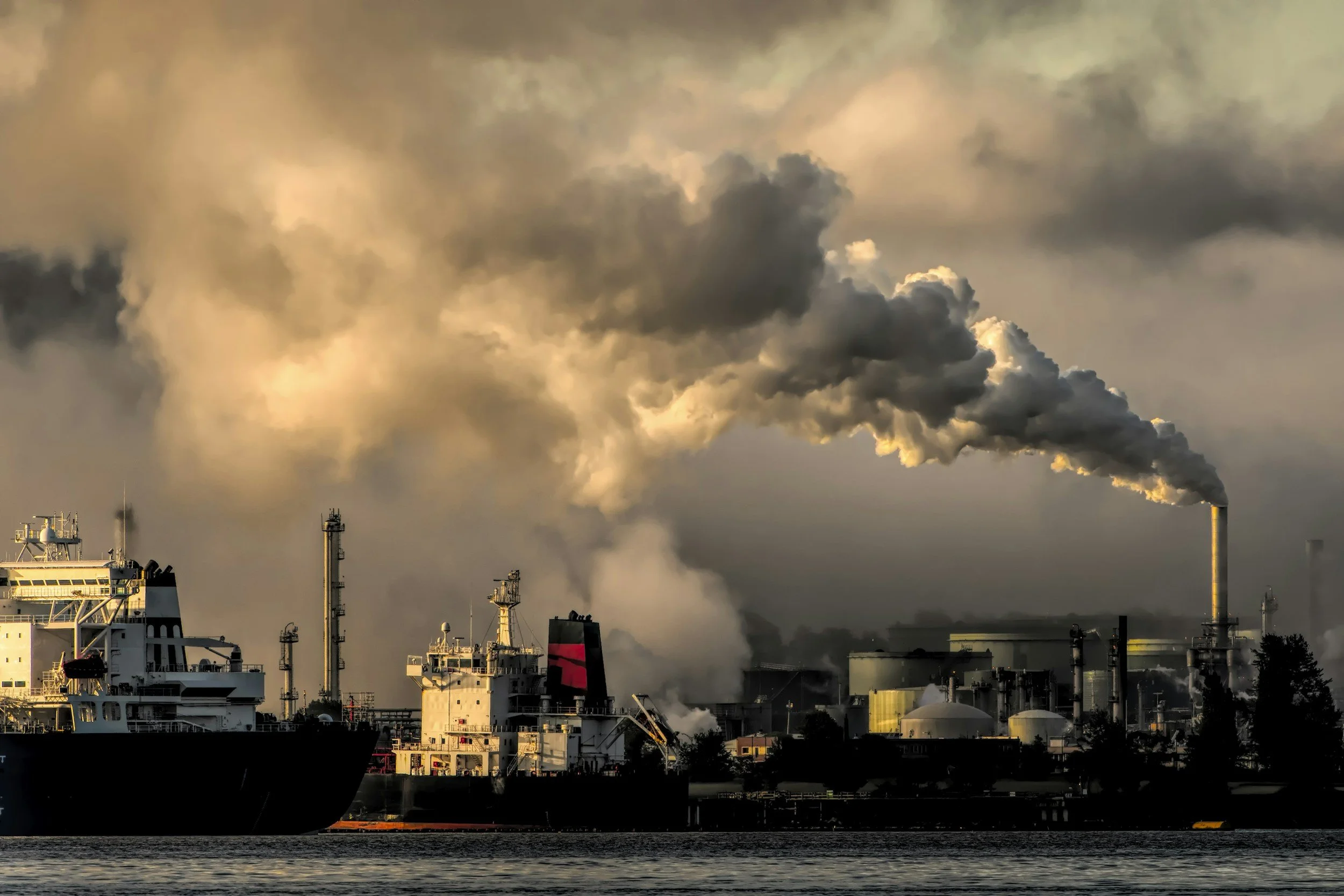
Fossil fuel companies extract oil and gas from deep underground. These raw materials are then transported to chemical plants and converted into petrochemicals through energy-intensive refining processes that pollute the air, water, and soil.
Petrochemicals — ethylene, propylene, butadiene, benzene, xylene, toluene, and methanol — are the building blocks of plastic. These chemicals are further broken down, mixed with other substances, melted, and molded into various types of plastics we use every day. PFAs and PFOSs are other known toxic forever chemicals derived from oil and gas that are building up in our bodies, land, and water.
From extraction of fossil fuels to refining, transportation and storage of the dangerous plastic-making chemicals, to end use and disposal of products, every part of plastic production disrupts ecosystems and threatens public health.
The Plastic Crisis
Plastic pollution is a serious, worldwide problem.
Throughout the production process, fossil fuel and petrochemical facilities release toxic pollutants that contaminate surrounding communities. These emissions are linked to respiratory disease, heart problems, cancer, neurological harm, reproductive issues, and developmental disorders.
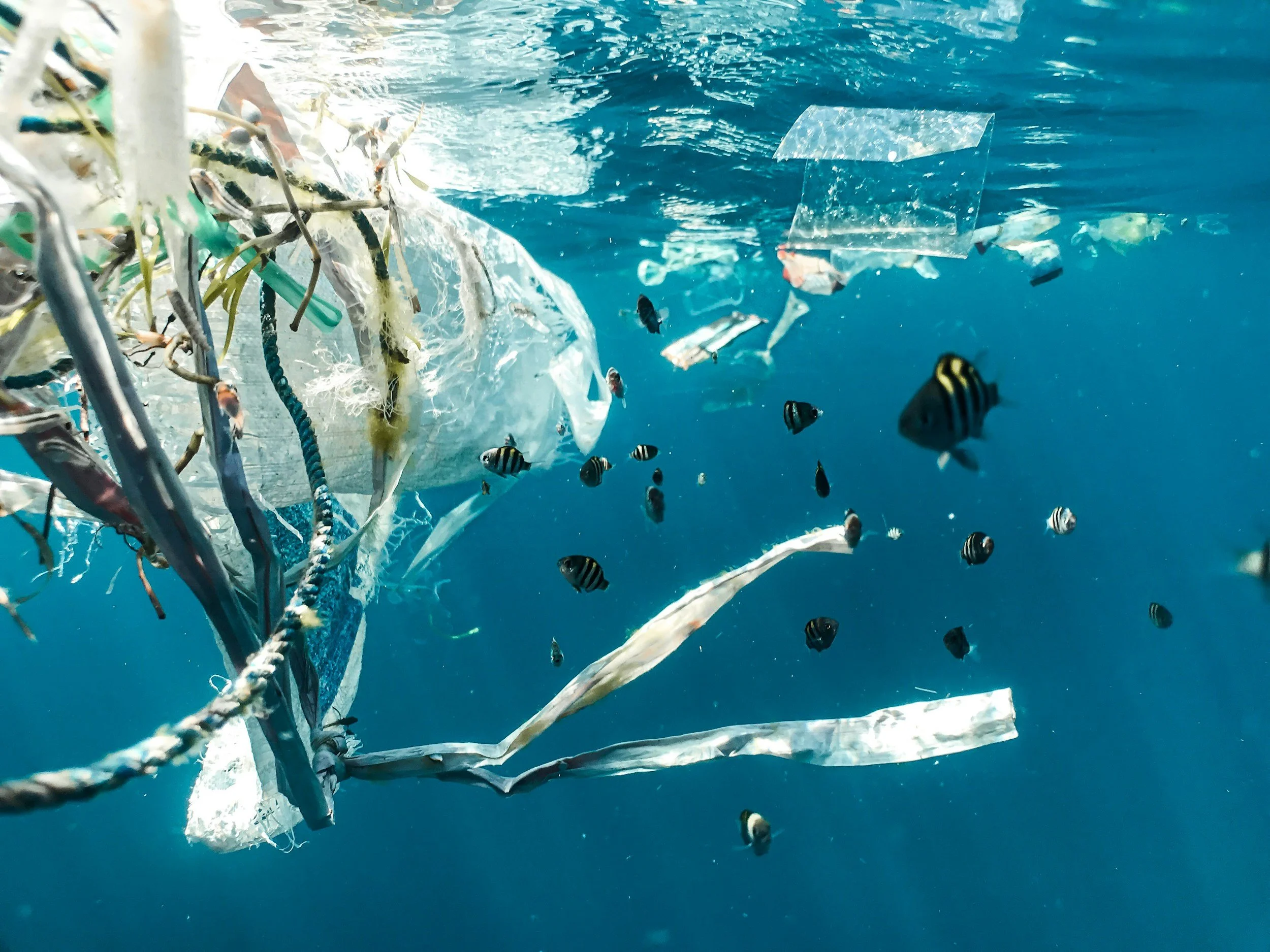
Once these plastic products enter the world, the harm continues.
Plastics often break down into microplastics which pollute our air, water, oil, and oceans. Humans and wildlife ingest these particles daily and other harming substances through the plastic products they’re using, the food they’re eating, and water they’re consuming.
Landfills and oceans are overflowing with plastic waste that’s harming the environment, and today’s methods of recycling aren't enough to solve the problem.
The worst part? The corporations responsible for this crisis know exactly what they are doing and they continue to increase production.
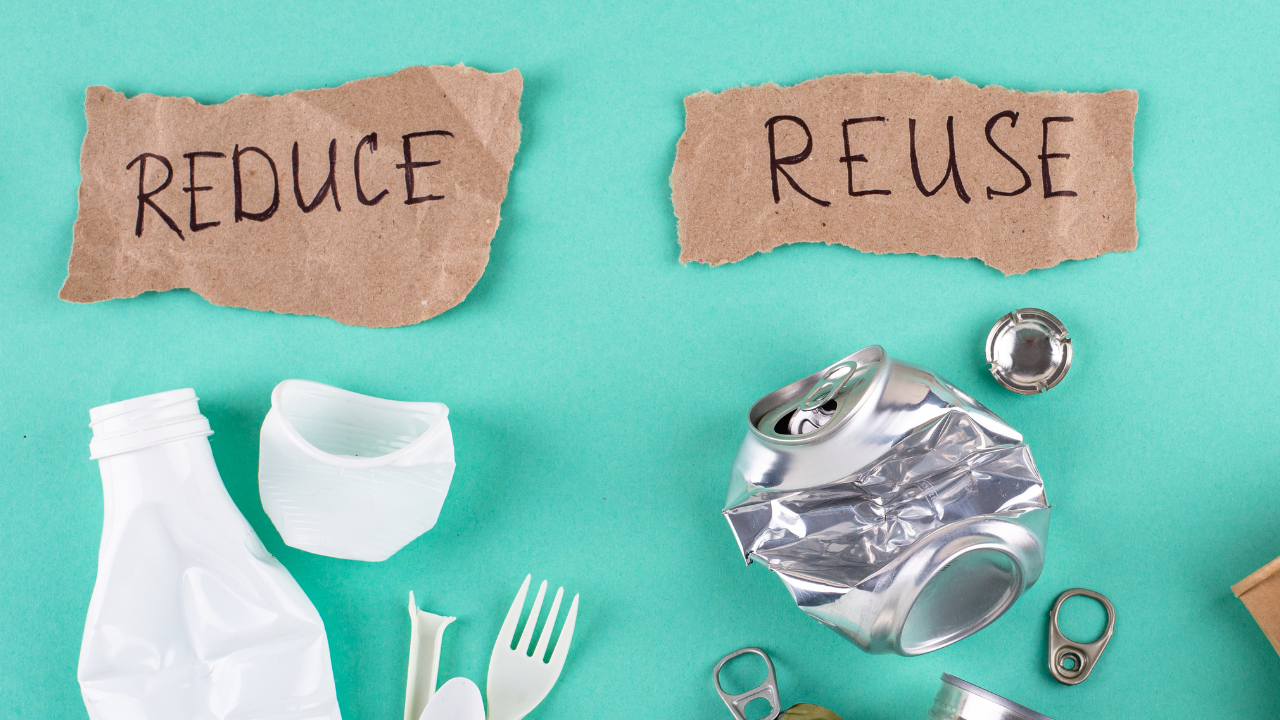
Reduce! Reuse! Recycle?
Recycling plastic made from oil and gas is expensive and uneconomical. Sorting various types of plastic is infeasible and time-consuming. Plastic degrades with every use. And plastics industry officials were aware despite touting false solutions such as chemical or advanced recycling.
Yet, money from Big Oil and petrochemical companies — industries that manufacture plastics — was poured into public recycling programs they knew weren’t sustainable.
Why? Because making new plastic from oil and gas is cheaper and more profitable than recycling old plastic, keeping the plastics industry and Big Oil in business.
By shifting the focus to consumer behavior, corporations avoided accountability and protected their bottom line. Recycling made people feel hopeful and responsible, while distracting from the real driver of plastic pollution: unchecked plastic production.
The Real Solution
Hope lies in the difference between knowing the truth about recycling plastic and not knowing.
Recycling alone, as we understand it today, cannot solve the plastic crisis. Instead of trusting companies that profit from plastic production and consumption, we need to reduce and reuse, and we need safer alternative materials.
It also means holding fossil fuel and petrochemical companies accountable for the pollution they create and stopping the expansion of new plastic manufacturing facilities.
If we want to protect our health, our communities, and our planet, we must tackle the problem at its source.
The Time to Reduce Plastic Production Is Now
Consumer and industrial-scale recycling of plastic can’t fix a crisis driven by overproduction and corporate greed.
To truly address plastic pollution from fossil fuel extraction to end use, we must reduce our reliance on plastic, demand safer protocols, and push for policies that prioritize people and the planet over corporate profit.
Learn more about the petrochemical industry and how Clean Air Action is working to stop the expansion of harmful facilities here.